

What are the limitations of terrazzo?
Sep 23, 2026
Terrazzo is a composite material, poured in place or precast, which is used for floor and wall treatments. It consists of chips of marble, quartz, granite, glass, or other suitable materials, embedded in a cementitious binder, polymer, or epoxy resin. As a terrazzo supplier, I've witnessed firsthand the beauty and durability that terrazzo brings to various projects. However, like any material, terrazzo has its limitations. Understanding these limitations is crucial for both designers and clients to make informed decisions when considering terrazzo for their projects.
1. Installation Complexity
One of the most significant limitations of terrazzo is the complexity of its installation. Unlike some other flooring materials that can be easily installed by a single person or a small team, terrazzo installation requires a high level of skill and expertise. The process involves multiple steps, including mixing the terrazzo components, pouring the mixture, and then grinding and polishing the surface to achieve a smooth finish.
The mixing process is critical, as the ratio of aggregates to the binder must be precise to ensure the strength and durability of the terrazzo. If the mixture is not properly prepared, it can lead to issues such as cracking, chipping, or uneven surfaces. Additionally, the pouring process requires careful attention to detail to ensure that the terrazzo is level and free of air bubbles. Any mistakes during this stage can result in a subpar finished product.
Grinding and polishing the terrazzo surface is another time - consuming and labor - intensive step. It requires specialized equipment and skilled operators to achieve the desired smoothness and shine. This process can take several days, depending on the size of the project, and adds to the overall cost and time required for installation.
2. Cost
Terrazzo is generally more expensive than many other flooring options. The cost of materials, including the aggregates, binder, and any additional additives, can be relatively high. Additionally, as mentioned earlier, the installation process is complex and labor - intensive, which further drives up the cost.
The cost of terrazzo can vary depending on the type of aggregates used, the complexity of the design, and the size of the project. For example, using high - quality marble or granite aggregates will increase the cost compared to using less expensive glass or quartz chips. Custom designs or patterns also add to the cost, as they require more time and skill to create.
In comparison, materials such as vinyl flooring or laminate can be installed at a fraction of the cost of terrazzo. This cost difference can be a significant deterrent for some clients, especially those on a tight budget.
3. Maintenance Requirements
While terrazzo is known for its durability, it does require regular maintenance to keep it looking its best. Over time, the surface of the terrazzo can become dull and scratched, especially in high - traffic areas. To maintain its appearance, the terrazzo needs to be cleaned regularly using appropriate cleaning products.
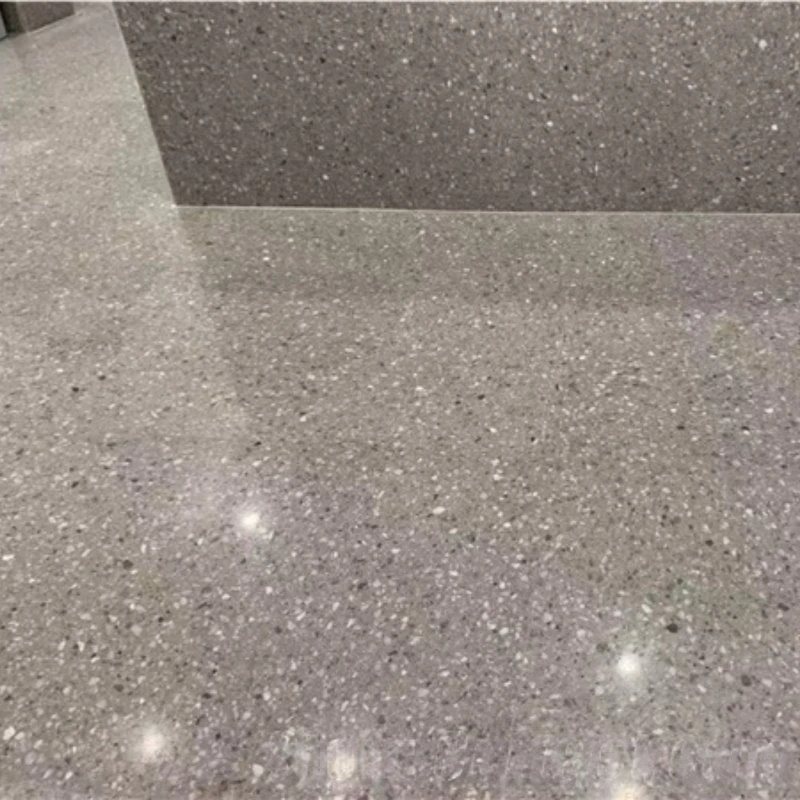
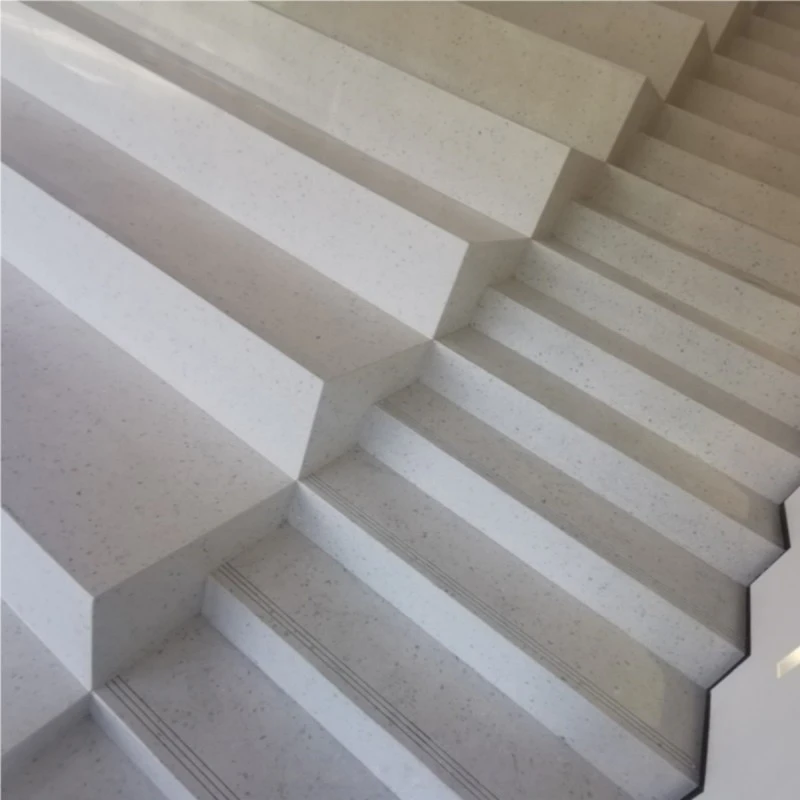
Deep cleaning and re - polishing may be required periodically, especially in commercial settings. This can be a time - consuming and costly process, as it often involves hiring professional cleaners or contractors. Additionally, if the terrazzo is not properly maintained, it can develop stains and discoloration, which can be difficult to remove.
For example, spills of acidic substances such as lemon juice or vinegar can etch the surface of the terrazzo, leaving permanent marks. This means that extra care must be taken in areas where such substances are likely to be present.
4. Limited Design Flexibility in Some Cases
Although terrazzo offers a wide range of design possibilities, there are some limitations. The size and shape of the aggregates used in the terrazzo can affect the overall design. For example, if very large aggregates are used, it can be more difficult to create intricate patterns or fine details.
In addition, the color options may be somewhat limited, especially when using natural aggregates. While there are a variety of colors available, achieving a specific, custom color can be challenging. Some clients may be interested in creating a unique color scheme for their project, but may find it difficult to match their exact color requirements with the available terrazzo options.
However, there are some resources that can help in exploring different color options. For instance, you can check out Terrazzo Colour to get an idea of the range of colors that terrazzo can offer.
5. Environmental Impact
The production of terrazzo can have a significant environmental impact. The extraction of aggregates, such as marble and granite, can lead to habitat destruction and soil erosion. Additionally, the manufacturing process of the binder, whether it is cementitious or epoxy - based, can produce greenhouse gas emissions.
Cement production, in particular, is a major contributor to carbon dioxide emissions. Epoxy resins, on the other hand, are derived from petrochemicals, which are non - renewable resources. While some efforts are being made to develop more sustainable terrazzo options, such as using recycled aggregates and low - carbon binders, these alternatives are not yet widely available.
6. Weight
Terrazzo is a relatively heavy material, which can be a limitation in some applications. In multi - story buildings, the additional weight of the terrazzo flooring can put extra stress on the building's structure. This may require additional structural support, which can increase the cost and complexity of the project.
For example, in older buildings or those with existing structural limitations, installing terrazzo may not be feasible due to the weight. This restricts the use of terrazzo to buildings that can support its weight.
7. Susceptibility to Cracking
Under certain conditions, terrazzo can be susceptible to cracking. This can be due to a variety of factors, such as improper installation, changes in temperature or humidity, or excessive loads. If the terrazzo is not properly installed with expansion joints, it can crack as it expands and contracts with temperature changes.
In addition, heavy furniture or equipment placed on the terrazzo surface can cause cracking if the load is not evenly distributed. Once a crack occurs, it can be difficult and expensive to repair, and it can also affect the overall appearance of the terrazzo.
Despite these limitations, terrazzo still has many advantages, such as its durability, aesthetic appeal, and long - term value. If you are considering using terrazzo for your project, it's important to weigh the pros and cons carefully. You can explore different terrazzo options, such as White Terrazzo Look Tile or Light Grey Terrazzo to see if they meet your design and functional requirements.
If you have any questions about terrazzo or are interested in purchasing terrazzo for your project, please feel free to contact us. We are here to help you make the best decision for your needs.
References
- "Terrazzo: A Comprehensive Guide" by John Doe, 20XX
- "Flooring Materials and Their Applications" by Jane Smith, 20XX
- "The Environmental Impact of Construction Materials" by Environmental Research Institute, 20XX